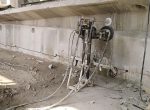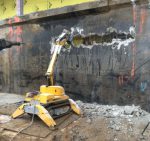
Demolition used to mean noise, dust, and a lot of manual effort. It required heavy machinery, and the environments were also very, very risky. But that practice is changing now. Because demolition is no longer just about breaking structures, it’s about doing it with control, precision, and safety.
That’s where robotic demolition is starting to reshape the industry. At Concrete Cutting, this shift is becoming more relevant in modern construction and infrastructure projects.
Demolition Is No Longer Purely Manual
Traditional demolition has limits, especially in:
- Confined spaces
- High-risk structures
- Sensitive environments
- Industrial facilities
Manual methods increase risk and reduce precision, but robotics changes that equation.
Instead of placing workers in dangerous zones, machines handle the impact directly.
Precision Matters More Than Force
Earlier, demolition meant applying maximum force, but now it’s about controlled removal.
Robotic systems allow operators to:
- Target specific sections
- Control breaking force
- Reduce unwanted structural damage
That level of precision is especially important in partial demolition projects where surrounding structures must remain intact.
Safety Is the Biggest Upgrade
One of the strongest reasons for adopting smart demolition systems is safety. Workers today no longer need to stay close to unstable structures. The remote-controlled machines take over the high-risk tasks.
That reduces exposure to:
- Falling debris
- Structural collapse risks
- Dust-heavy environments
- Vibration-related hazards
At Concrete Cutting, safety is often the first reason clients explore robotic solutions.
Efficiency Improves on Complex Sites
Robotic demolition systems are not just safer, but they’re also more consistent.
The machines don’t get tired, and they don’t slow down under pressure. They maintain steady performance across long operations. This makes them especially useful in large-scale or time-sensitive projects.
Reduced Environmental Impact
Modern demolition isn’t only about speed, but it’s also about control over waste and dust.
Robotic systems help reduce:
- Excessive vibration
- Uncontrolled breakage
- Material wastage
This makes cleanup and material handling more efficient after demolition is complete.
Concrete Cutting
At Concrete Cutting, demolition is approached as a controlled engineering process, not just a physical breakdown. That’s why modern methods like robotic demolition are becoming part of advanced project planning.
The focus stays on:
- Precision-based cutting and demolition
- Safer execution methods
- Reduced operational risk
- Integration of smart demolition systems in complex environments
Because the goal is not just to remove structures but to do it in a way that supports the next phase of construction.
The Future of Demolition Is Controlled
The industry is moving away from brute force methods and towards systems that think, adjust, and execute with precision. Robotic demolition represents that shift clearly.
- Less risk
- More control
- Better outcomes
Conclusion
Demolition is no longer just destruction, but it’s also planned removal. And as technology improves, the process becomes cleaner, safer, and more efficient. Robotic systems are not replacing demolition work; they are refining it.
And that’s where the future is clearly heading.
FAQs
- What is robotic demolition?
It is the use of remote-controlled machines to safely and precisely demolish structures. - What are smart demolition systems?
They are advanced systems that improve safety, precision, and efficiency in demolition work. - Why is robotic demolition safer?
Because it reduces the need for workers to be present in high-risk zones. - Where is robotic demolition used?
In industrial sites, confined spaces, and complex structural projects. - What is Concrete Cutting’s role in demolition?
They provide controlled demolition and cutting solutions using modern techniques and systems.
Recent Blogs
Robotic Demolition
May 23, 2026
What Is Wire Saw Cutting? Applications and Benefits Explained
February 17, 2026